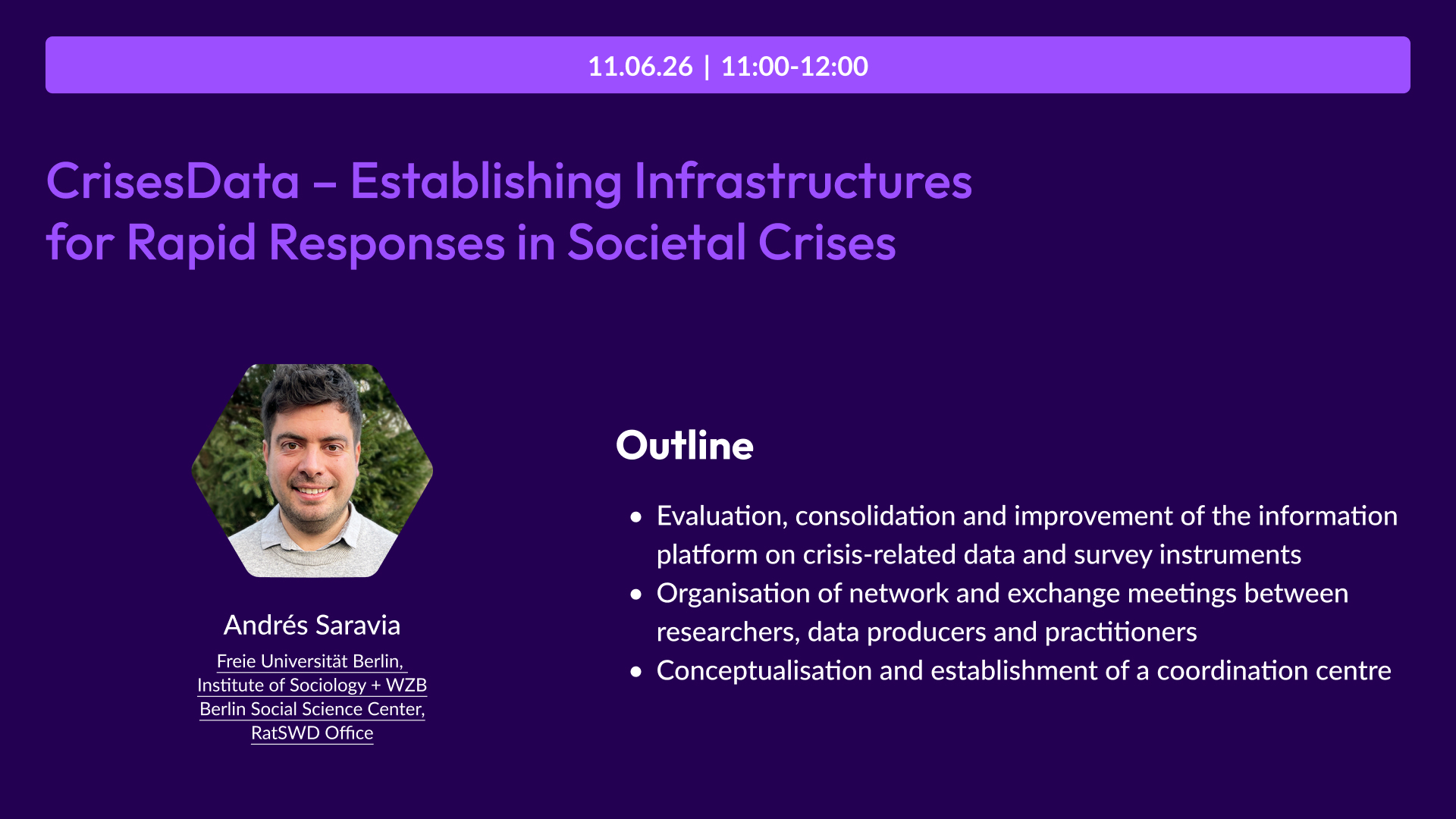
Colloquium 11 June with Andrés Saravia: CrisesData – Establishing Infrastructures for Rapid Responses in Societal Crises
Join us on Thursday 11 June at 11 for the next Interdisciplinary Colloquium on Digitalisation of Research. This time our special guest will be Andrés Saravia from the Freie Universität Berlin, Institute of Sociology and WZB Berlin Social Science Center, RatSWD Office. The speaker will give a talk on CrisesData – Establishing Infrastructures for Rapid Responses in Societal Crises. Make sure to join us online on Zoom!
Upcoming: July Colloquium with Pascal Friederich
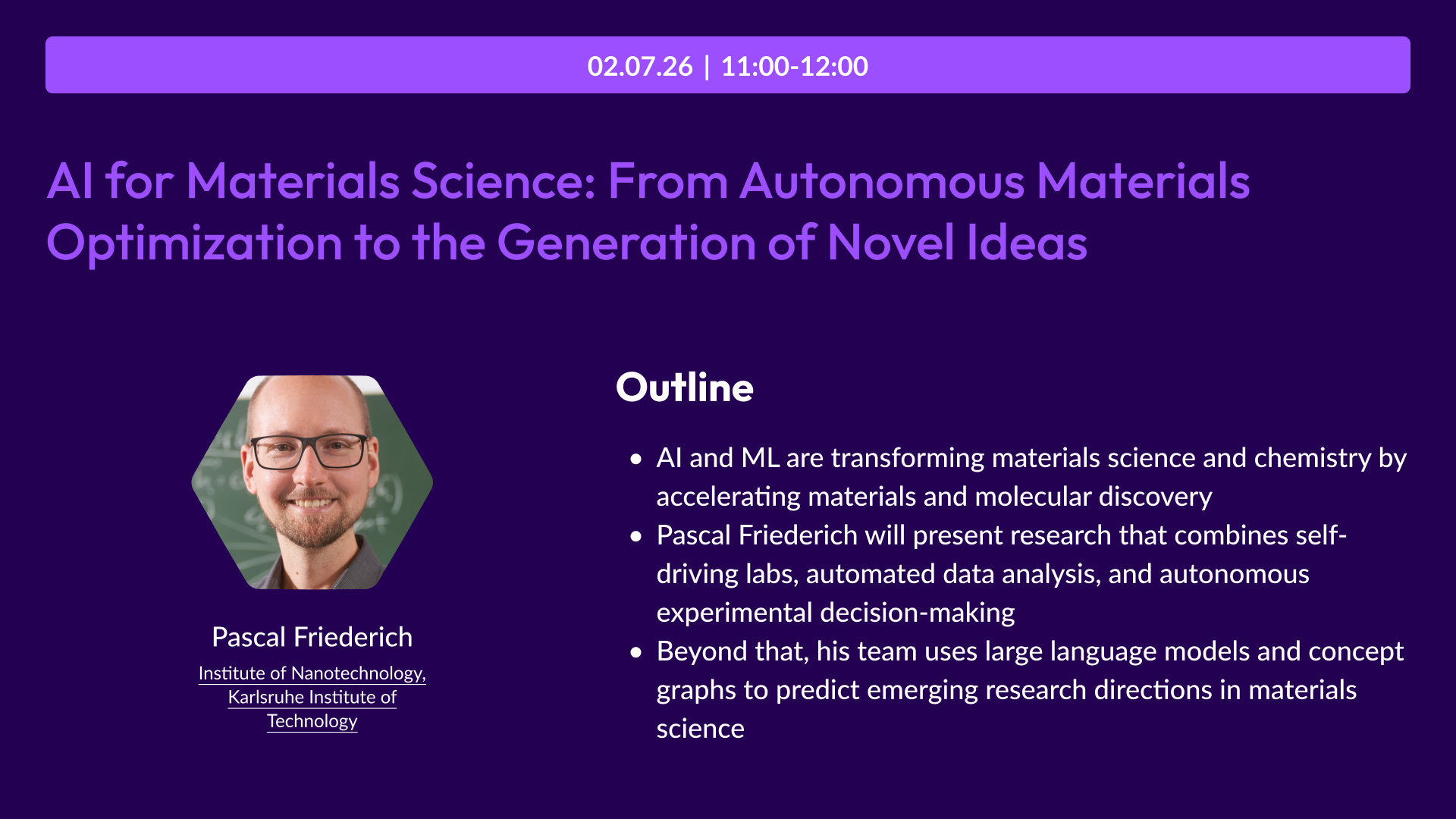
Save the date for our July Colloquium: we will meet on Zoom on 2 July at 11:00. Our guest will be Pascal Friederich, Institute of Nanotechnology, Karlsruhe Institute of Technology who will give a talk on AI for Materials Science: From Autonomous Materials Optimization to the Generation of Novel Ideas.
- AI and ML are transforming materials science and chemistry by accelerating materials and molecular discovery.
- Pascal Friederich will present reserach that combines self-driving labs, automated data analysis, and autonomous experimental decision-making (link).
- Beyond that, his team uses large language models and concept graphs to predict emerging research directions in materials science (link).
Video on RDM in sports science
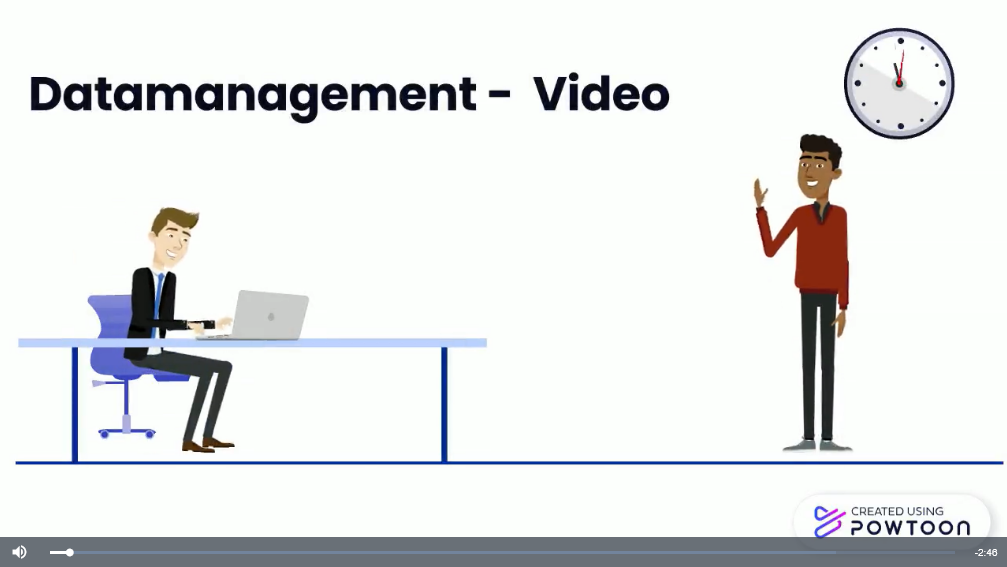
The team of the sports institute produced a short video regarding research data management for sports scientists and other interested researchers!
Relaunch of forschungsdaten.info
The RDM website has a new design and is now also visible on LinkedIn. We especially want to highlight the sports‑science page, including the DiTraRe project, which is managed by our member Katja Keller. Have a look!
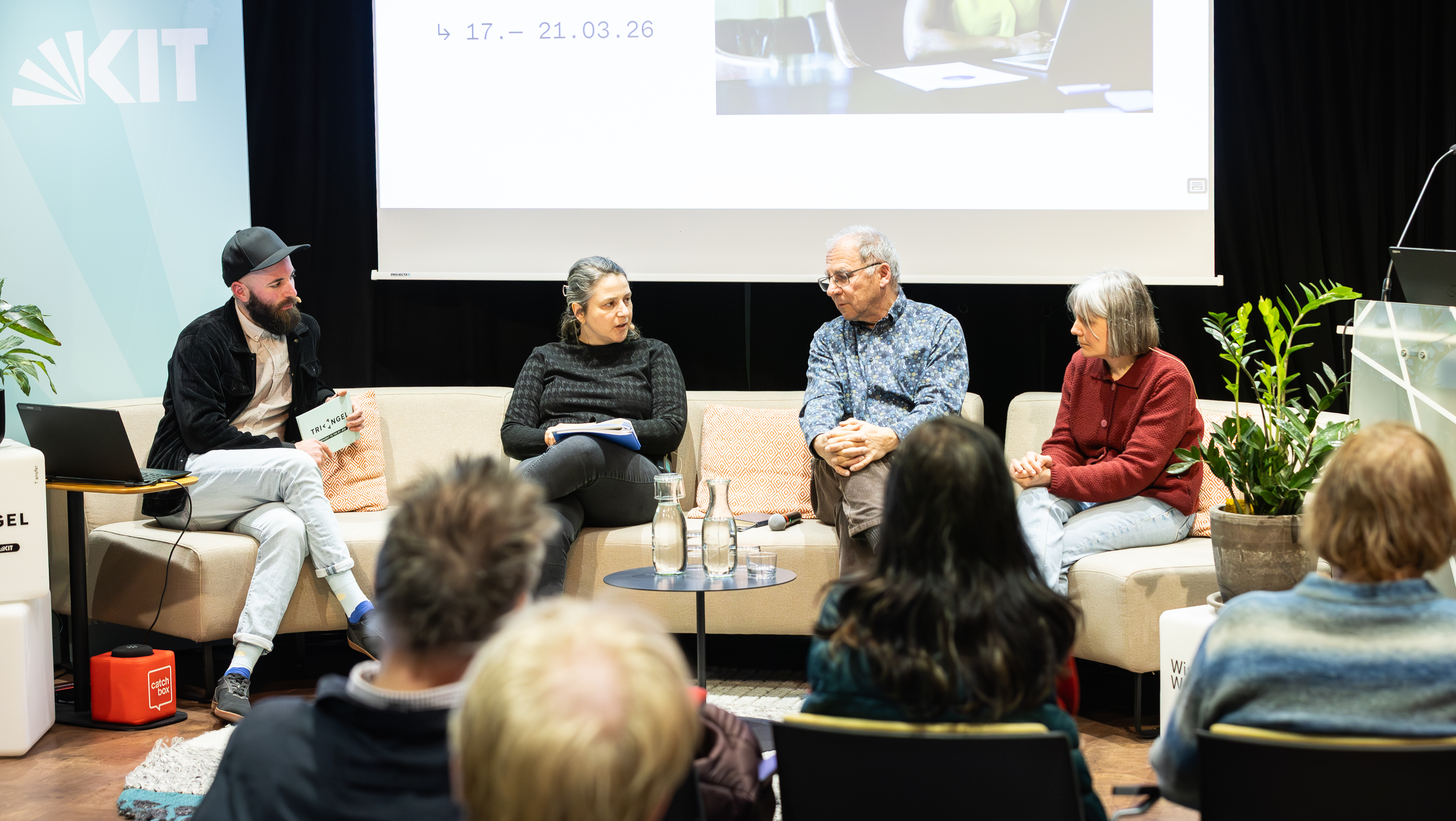
Recent: DiTraRe-ITAS @ Mensch X AI
During the “Mensch X AI” Knowledge Week Linda Nierling, ITAS was part of a panel discussion. The “Smart Science Night” focused on the topic of “Citizen Science and AI” and took a closer look to the opportunities and limitations of the Karlsruhe participatory initiative “BioBlitz Karlsruhe” What added value do AI-supported tools bring to biological knowledge? What added value is created for local users? And where are the limitations of data collected as part of local citizen science initiatives? The discussion showed that citizens can support data collection via apps, in return, AI can support citizens to protocol and learn about species in their surroundings. It remains however critical that processes are conducted in an ethical manner, e.g. with regard to data protection.
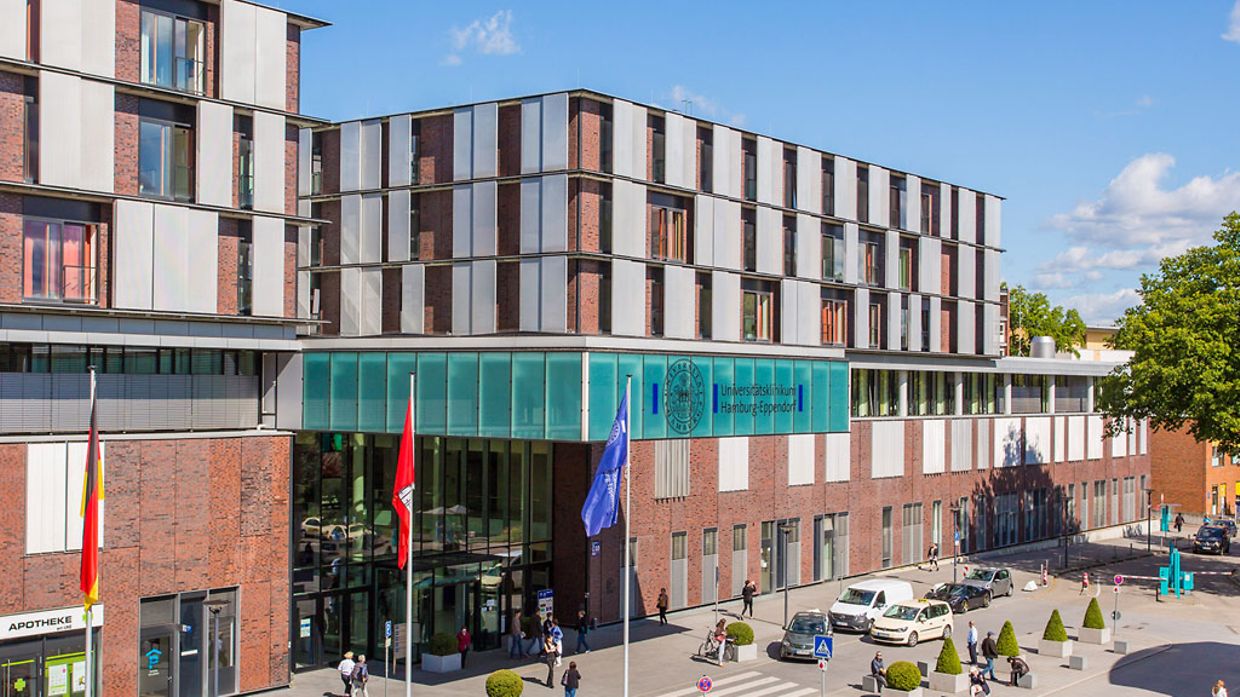
Hamburg Collaboration Results in Two New Publications
We are excited to share that the collaboration between our “AI in Biomedical Engineering” use case and the University Medical Center Hamburg-Eppendorf has resulted in two accepted publications based on data from the Hamburg City Health Study:
These publications showcase the strength of interdisciplinary research at the interface of clinical medicine and biomedical engineering. They highlight how close collaboration between clinicians and engineers can transform complex biomedical data into clinically relevant insights.
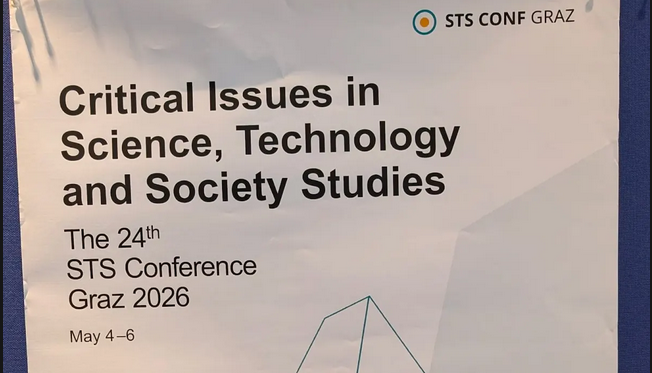
Recent: Presentation at STS Conference in Graz
In collaboration with the use case “meteorology” and the dimensions “tools and processes” and “legal and ethical challenges” Angelina Sophie Dähms from the dimension “reflection and resonance” held a talk on 5 May at the STS Conference in the session “Governing Digital Research Infrastructures”. In her talk, “Governing Research Data in the Age of Generative AI – Interdisciplinary Perspectives”. She took an interdisciplinary approach that incorporated perspectives from the fields of technology assessment, social science, computer science, law, and climate science and meteorology. Drawing on the meteorology use case, the aim was to examine the opportunities, challenges, and measures related to the publication of research data in the age of GenAI. For the first time, a session at the conference was dedicated specifically to research data management, and this has led to follow-up activities such as a planned paper based on the session.
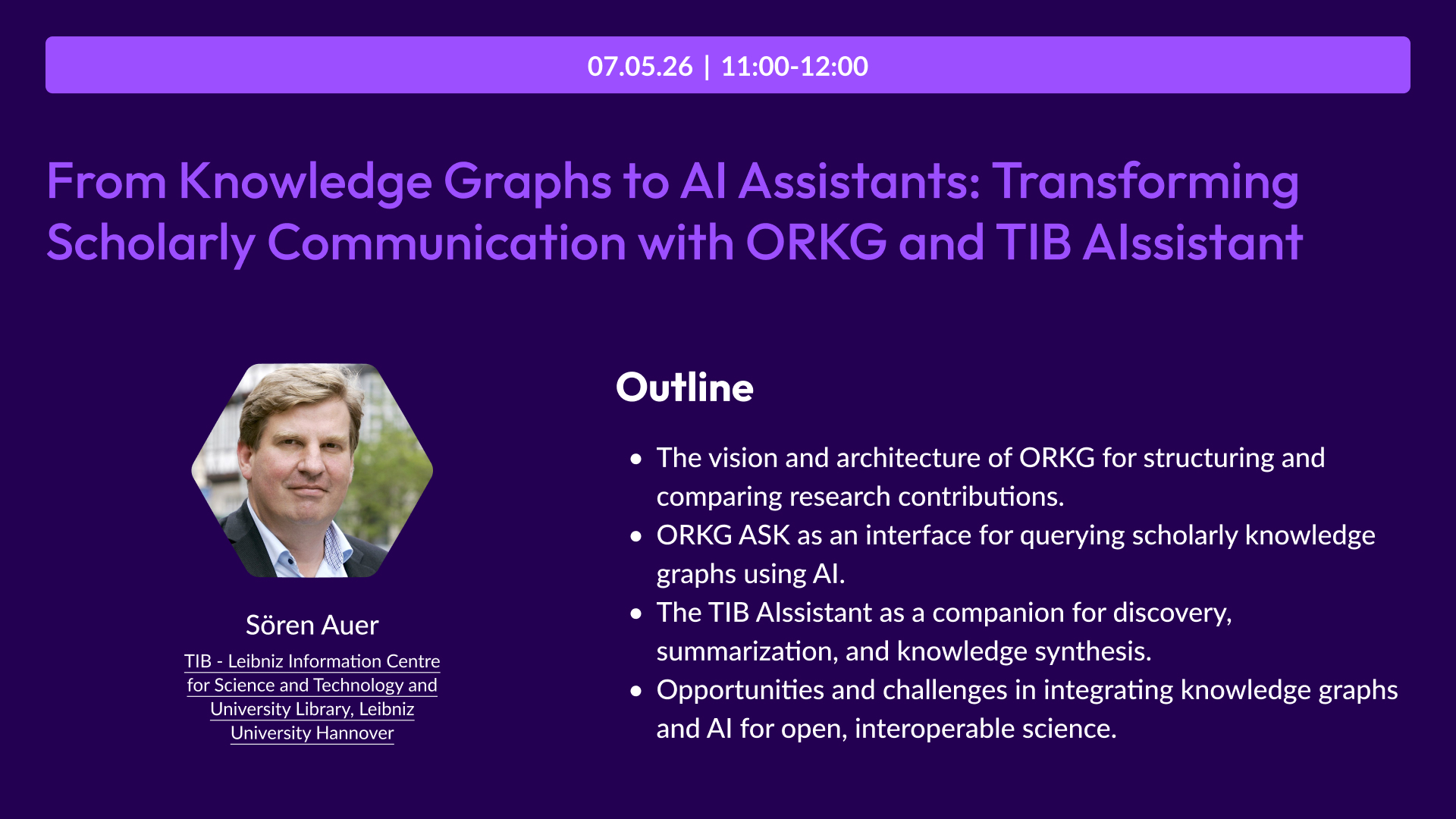
Recent: May Colloquium with Sören Auer and Allard Oelen
Our May Colloquium video recording is now available online. Sören Auer and Allard Oelen, TIB - Leibniz Information Centre for Science and Technology and University Library, Leibniz University Hannover presented From Knowledge Graphs to AI Assistants: Transforming Scholarly Communication with ORKG and TIB AIssistant.